When Infrastructure Collapses: Conflict-Related WASH Failures and Public Health Crises in the Middle East
Conflict, WASH Systems, and Public Health

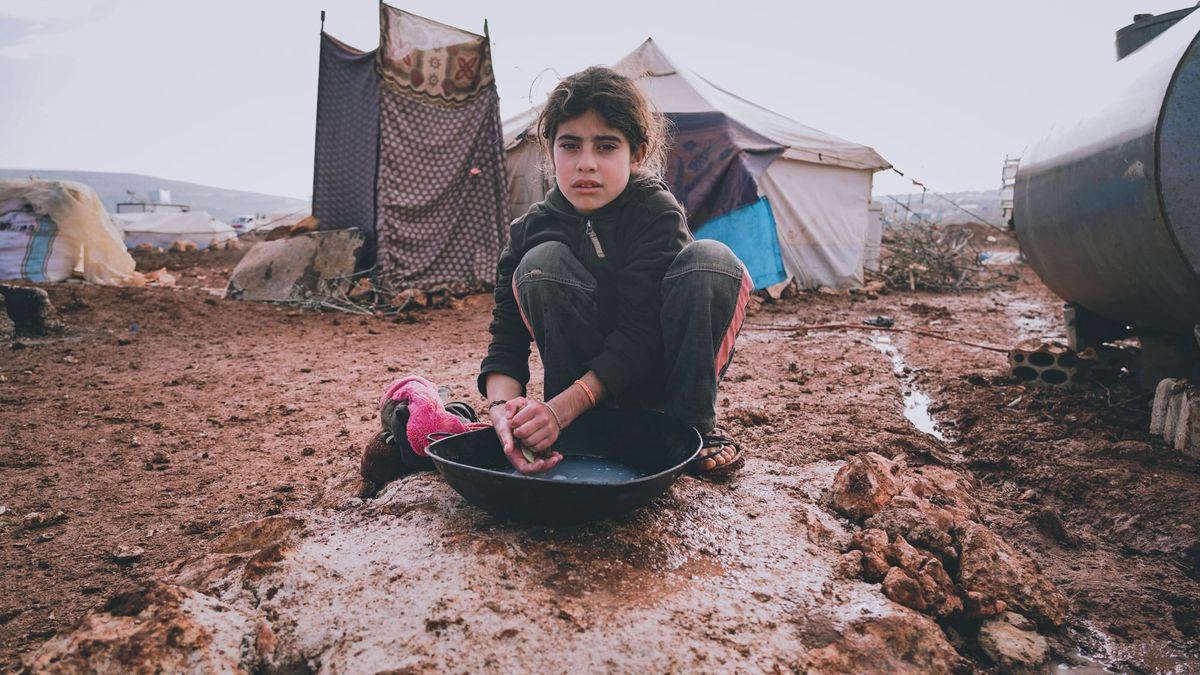
Conflicts across the Middle East, spanning Gaza, Yemen, Syria, Lebanon, and Iraq, do far more than cause direct physical destruction. They systematically dismantle water, sanitation, and hygiene (WASH) infrastructure, triggering a cascading chain of public health emergencies.
A recent policy-oriented review published in Disaster Medicine and Public Health Preparedness examines how recurring mechanisms like physical damage, fuel and electricity shortages, restricted workforce safety, and governance failures converge to cripple vital services. When water treatment plants, sewage systems, and healthcare hygiene protocols fail, populations face heightened exposure to waterborne diseases. The review documents severe repercussions, including a surge in acute watery diarrhea, cholera outbreaks in Syria, Lebanon, and Yemen, and a sharp escalation of acute hepatitis A cases in Gaza.
To combat these preventable public health threats, the study proposes a phased preparedness framework. Immediate priorities require protecting WASH workers and securing critical energy inputs, while medium- and long-term strategies call for service restoration, decentralized infrastructure redundancy, and tighter integration between WASH indicators and disease surveillance.
I invite public health professionals, policymakers, and researchers to read the full manuscript to explore the detailed cross-setting analysis and comprehensive recommendations for bolstering health system resilience in conflict zones.