The Fine Line Between Taslim and Numbness
Taslim is the recognition that your current life is a book being written by a grander architect.

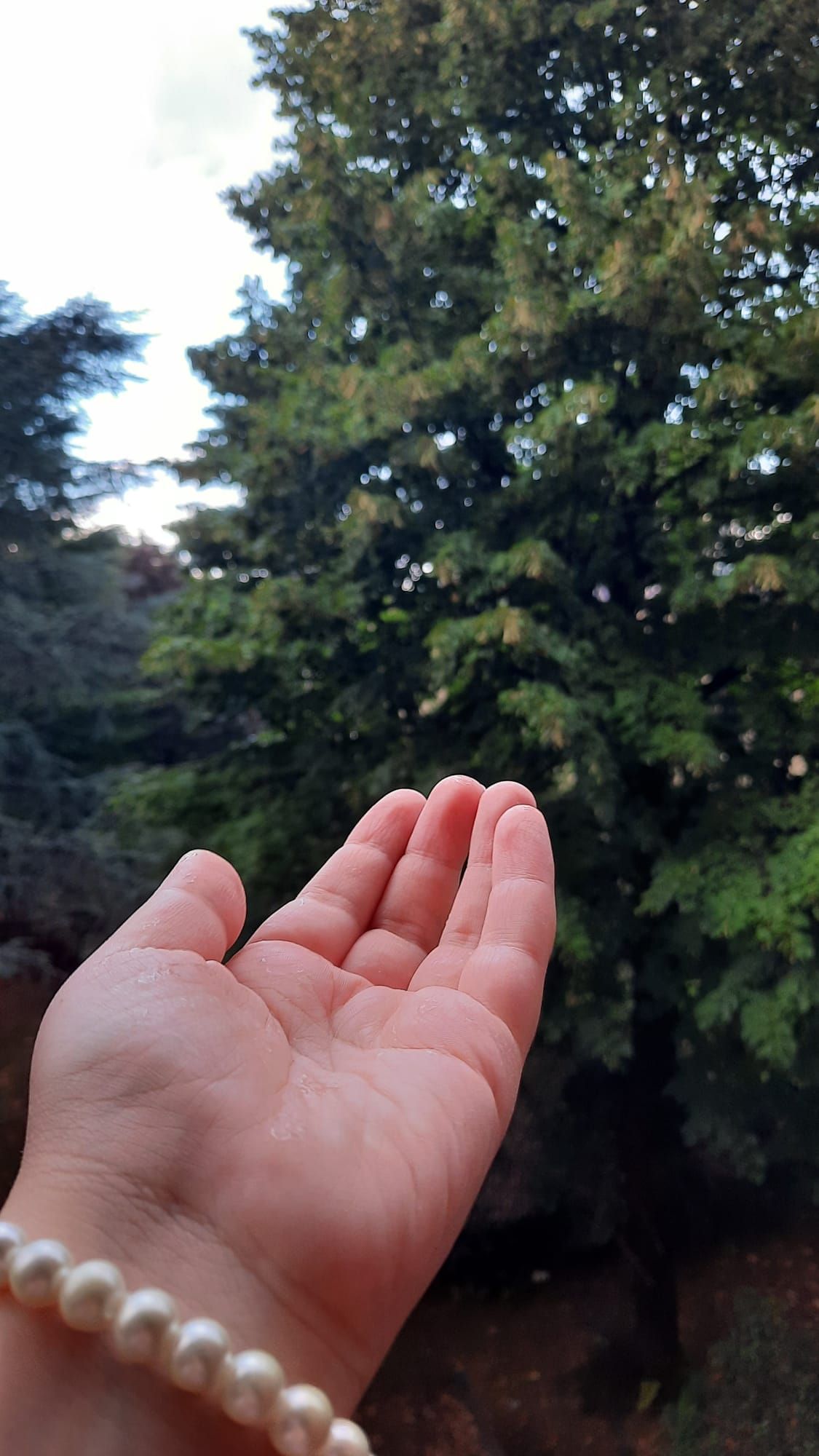
There is a season in every human life when the blows fall too fast, too heavy, and too repeatedly for the soul to process them in the light. Perhaps it is a series of closed doors, the quiet sting of rejection emails arriving in your inbox, or the heavy weight of living as a stranger in a foreign land while your heart fiercely tries to anchor itself to peace. When these moments accumulate, a subtle, misty transformation takes place within us.
We find ourselves entering a state of profound stillness. But if we look closely at this stillness, we realise it has two entirely different faces, though they wear the same mask.
One face is Taslim, the ancient, beautiful Oriental concept of spiritual surrender. The other face is numbness, the modern, protective frost that coats the heart when the world becomes too loud to bear.
The Frost of Numbness
Numbness is the soul’s emergency brake. It is not a flaw, ratehr it is a brilliant defense mechanism. When we experience too much disappointment, our internal architecture realizes that we cannot survive another hour under the glare of exposure. And so, it gently pulls the blinds. It turns down the volume of our emotions.
In the moment, numbness feels like a strange relief. You receive bad news, and your chest doesn't tighten. You look at a fractured dream, and you do not weep. You tell yourself, “See? I am strong. I am detached. I am moving forward.”
But this frost is a deceptive thing. The tragedy of numbness is that it cannot choose what to exclude. When you freeze your capacity to feel pain, you inadvertently freeze your capacity to feel joy, to taste the cardamom in your coffee, to notice the soft light filtering through the piazza, or to believe in the possibility of a sunrise. Numbness doesn't solve the storm; it simply locks you inside a room where you can no longer hear the rain. It is a state of survival, but it is not a state of living.
The Warmth of Taslim
Taslim, on the other hand, is entirely different. It is a word that breathes.
In the mystical traditions of the Orient, Taslim is often translated as submission or surrender, but the Western mind frequently misunderstands this as defeat. True Taslim is not the waving of a white flag. It is not saying, “I give up because I am weak.” Rather, it is the exquisite, courageous act of saying:
“I see the storm. I feel the absolute weight of this grief. And I choose to trust the river anyway.”
While numbness hardens the heart into a fortress to resist the blow, Taslim softens the heart into a sanctuary that can absorb it. When a door closes, Taslim does not pretend it didn’t hurt; it simply refuses to believe that the closed door is the end of the novel. It understands that this moment of stillness is a dam (a gathering of force) and that the water is merely pooling before it finds its true, prosperous path to the greenland.
If you are sitting somewhere today feeling that heavy, unblinking numbness, I want you to treat yourself with an immense, protective tenderness. Do not scold yourself for being numb. It means you have been brave for too long. It means your heart is simply resting in the dark, waiting for it to be safe enough to feel again.
The shift from numbness to Taslim cannot be rushed. It happens in the quiet intervals. It happens when you stop performing invincibility and allow yourself to gently open your hands.
Take a long breath. Look at the cracks, the rejections, and the long, winding roads of your yesterdays. Taslim does not demand that you have the solutions today. It only asks that you stop fighting the reality of where your feet are currently planted. Let the frost melt into tears if it must. Let the river be quiet, let the current hold its breath, and trust that to surrender to the flow of your life is the only way to truly find your way home.