Deep Dives
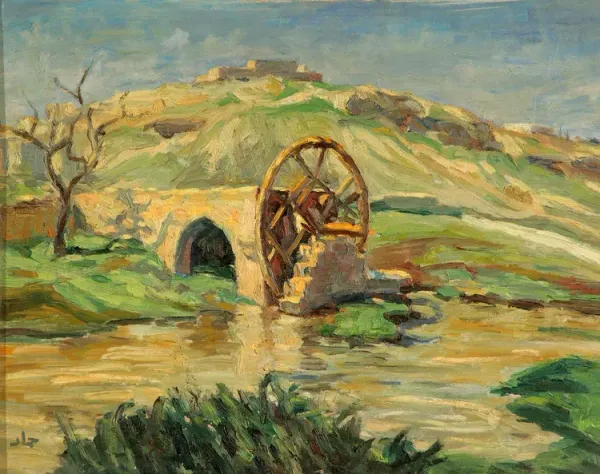
The ( ناعورة Noria): Syria’s Historic Water Wheels of Hama
The norias are monuments of cultural identity.

Deep Dives
The norias are monuments of cultural identity.
Deep Dives
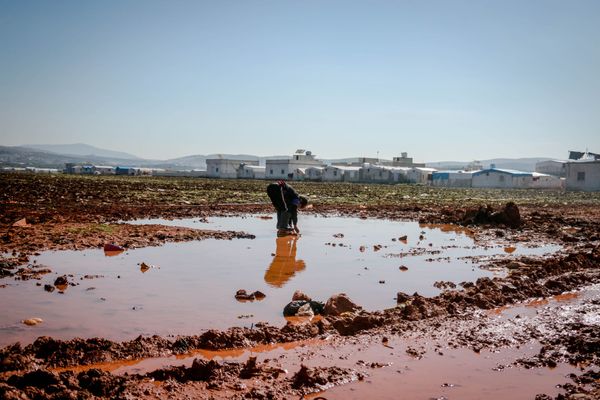
Integrated Water Resources Management (IWRM) in Syria has undergone two stark phases: the pre-2011 period of gradual policy reform amid mounting water stress, and the post-2011 period where conflict largely derailed coordinated water management.
Deep Dives
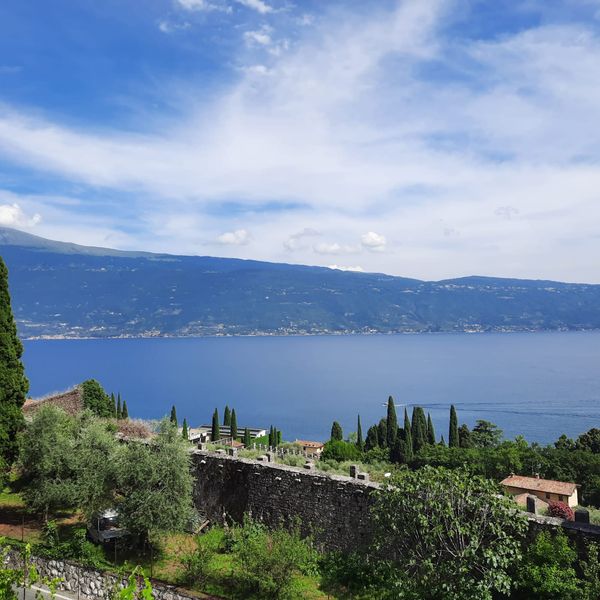
Although Italian lemons are often associated with sunny southern regions like the Amalfi Coast or Sicily, Lake Garda in northern Italy has its own remarkable citrus heritage. Along the lake’s western shores, generations of growers cultivated lemons, oranges, and citrons in specialized terraced greenhouses called limonaie. These lemon houses,

Deep Dives
In February 2015, ISIS fighters swept through the Khabur Valley in northeastern Syria, capturing thirty-five Assyrian Christian villages in a matter of days. They kidnapped hundreds, destroyed churches, and desecrated cultural sites—acts that received international attention and condemnation. What went largely unnoticed was their systematic destruction of the

Deep Dives
In the northeastern plains of Syria, the Khabour River, once a lifeline for agriculture and drinking water, has dwindled to a fraction of its former flow. Across the Jazira region, wells run dry, irrigation systems fail, and communities face acute water stress. Yet in much of the discourse surrounding this

Deep Dives
In recent years, a familiar media script has re-emerged: drought triggers conflict. It was said about Syria after 2011. It is now increasingly said about Iran amid water protests and social unrest. The narrative is tidy, urgent, and emotionally persuasive. It is also deeply incomplete. This framing usually follows
Deep Dives
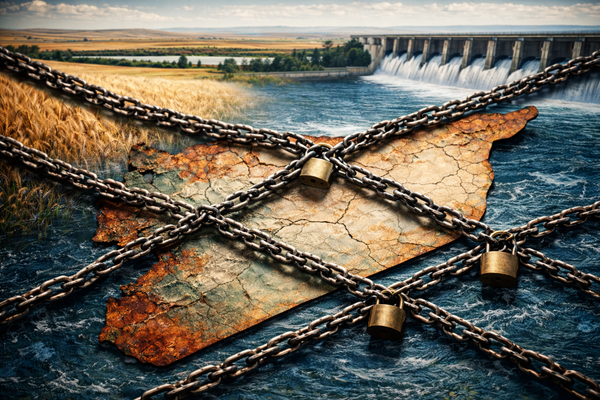
In the Syrian case, neo-colonialism operates less through direct territorial control and more through structural dependence: control over finance, technology, narratives, and access to water flows (upstream, institutional, or humanitarian). Water governance becomes a lever that constrains food sovereignty while appearing technocratic, humanitarian, or environmentally neutral. Introduction: from hydro-

Life in Flow
I keep finding myself in the same strange conversation. On paper, I am a researcher with a PhD. Years of modeling rivers that refuse to behave, climate scenarios that refuse to agree with one another, and policy frameworks that only work if politics briefly steps aside. In life, I am
Deep Dives
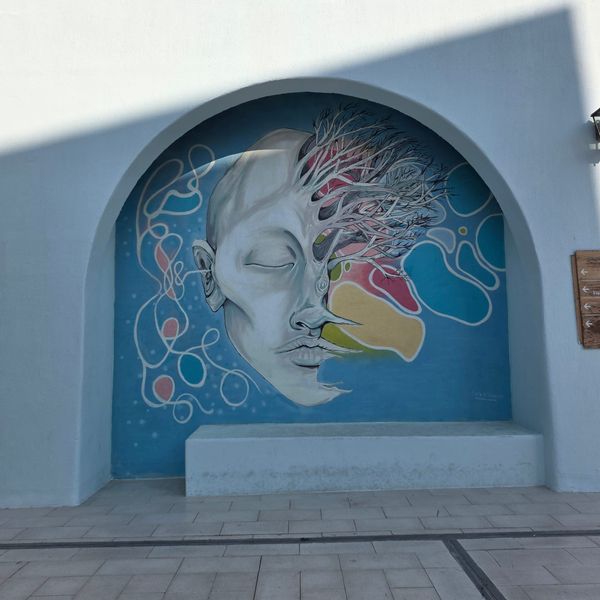
In Mina’s pastel - coloured streets, water does not just appear as horizon and reflection, it is present as inheritance and imagination. The murals that colour these waterfront walls do not merely decorate: they speak to a continuity of life that once braced itself against the tides and still draws

Life in Flow
January lived mostly in the margins this year, between things I did not have the language to name yet. These are the fragments it left behind, unpolished and honest, exactly as they were lived. Margin 1 This city taught me something I didn’t expect. You can live inside beauty…

Life in Flow
I am not sure whether it has appeared on your social media feed recently, but a muted, black-and-white video of a penguin has been circulating with unusual persistence. It is the kind of footage that provokes an involuntary reaction; a brief tightening of the face, a pause; drawing

Deep Dives
How much cropland does Syria actually have? At first glance, this may seem like a technical or academic question. In reality, it is a policy problem with real consequences. Governments, humanitarian agencies, and development partners rely on cropland estimates to assess food security risks, plan agricultural recovery, allocate water, and