When Environment Is Rewritten as Identity: How Syria's Ecological Crisis Became an Ethnic Narrative


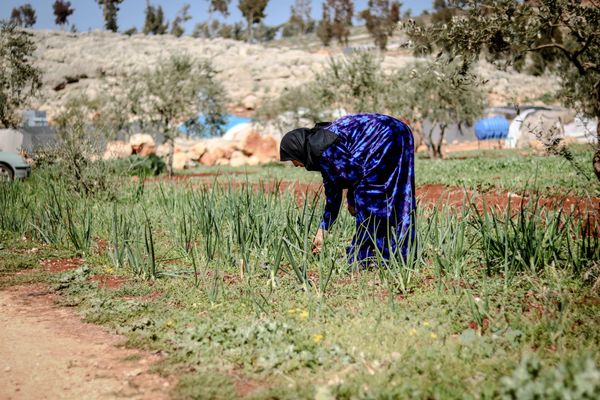
In the northeastern plains of Syria, the Khabour River, once a lifeline for agriculture and drinking water, has dwindled to a fraction of its former flow. Across the Jazira region, wells run dry, irrigation systems fail, and communities face acute water stress. Yet in much of the discourse surrounding this crisis, the conversation has shifted away from hydrology, infrastructure management, and climate science toward something far more insidious: ethnicity.
Water scarcity in Syria is increasingly discussed not as an environmental emergency rooted in policy failure, war-induced infrastructure collapse, and unsustainable resource extraction, but as an ethnic conflict: a zero-sum game where one community's access comes at another's expense. This reframing is not accidental. It serves specific political purposes, deflects accountability, and fundamentally undermines the possibility of effective environmental governance. When drought becomes Kurdish, when aquifer depletion becomes Arab, when pollution becomes a demographic characteristic rather than a systemic failure, the very language needed to address these crises evaporates.
This phenomenon "the ethnicization of environmental degradation" represents one of the most dangerous intellectual and political sleights of hand in contemporary Syria. It transforms technical problems into identity conflicts; shifts blame from institutions to communities and ensures that solutions remain perpetually out of reach.