One year post-PhD.
Do not look at this one year post-PhD as a vacancy or a failure of the blueprint. It is the necessary interval where the technical expert is slowly, beautifully softening into the wise elder.

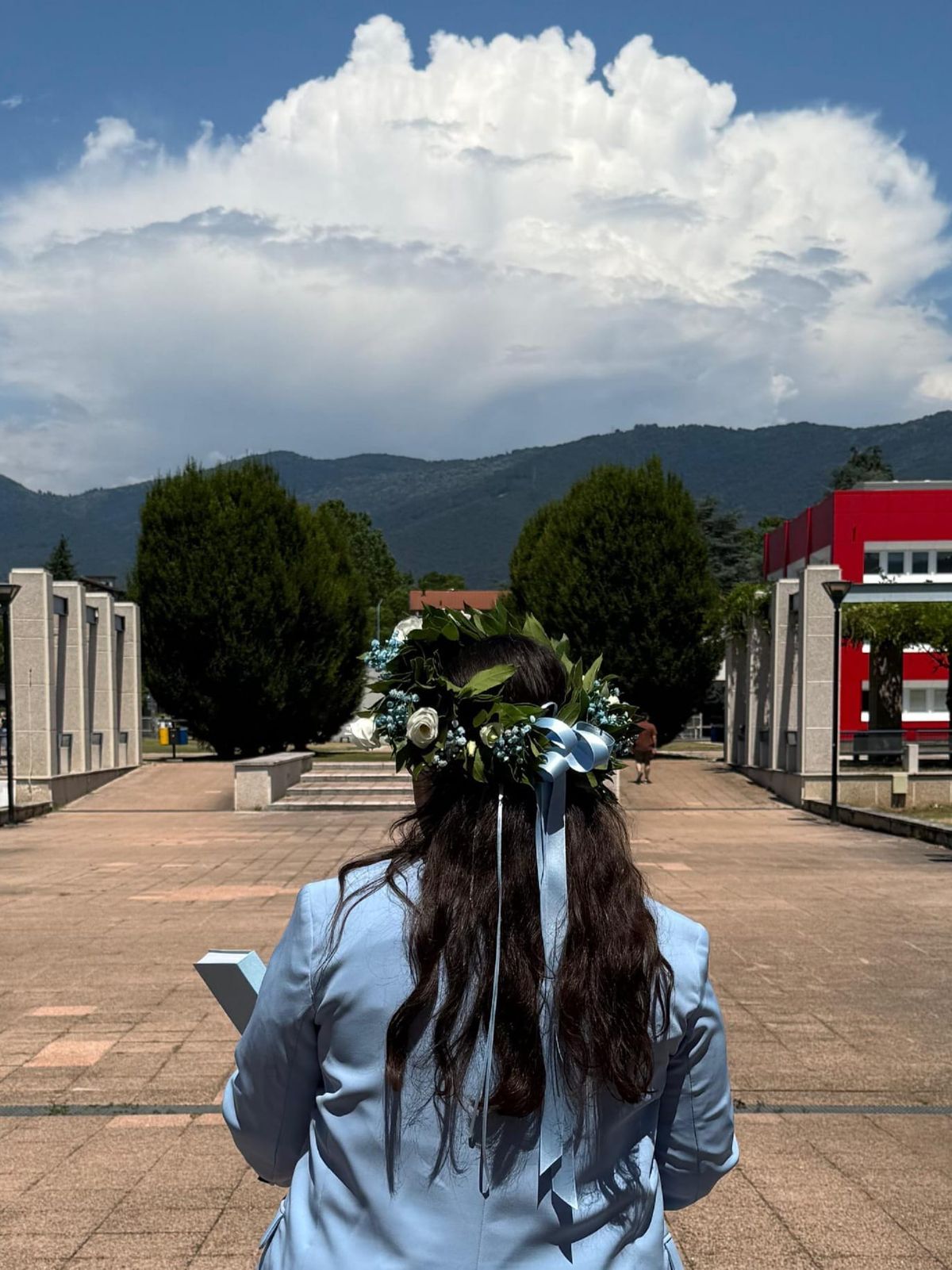
A year ago (on 3rd July 2025), the heavy, velvet curtain of a long theater finally fell. There was a room, a panel of unblinking eyes, a stack of hundreds of pages bound together by sweat and late-night anxieties, and then the pronouncement. Doctor.
In the immediate morning after the defence, the mind assumes that the world will automatically shift its axis. We expect a sudden, roaring transformation, a grand opening of gates, and a dramatic lifting of the fog. We tell ourselves that because we have climbed the mountain and carved our names into the stone, the valleys below will instantly welcome our stride.
But instead, so many of us (myself included) enter a strange, quiet country that no academy prepares us for. We enter the interval.
Sitting here under the soft sky of a summer that marks exactly one year since that summit, I look back at the frantic academic ghost I used to be. For years, my life was measured entirely by the currency of accumulation: more data, deeper scenarios, more citations, more complex models of rivers and climate risks. I treated my mind like an insatiable traveler, forcing it to carry history it hadn’t fully digested, always running toward the next chapter before the current one had even dried on the page.
And then, the daily gravity of the library card loses its pull.
The Mirage of the Monument
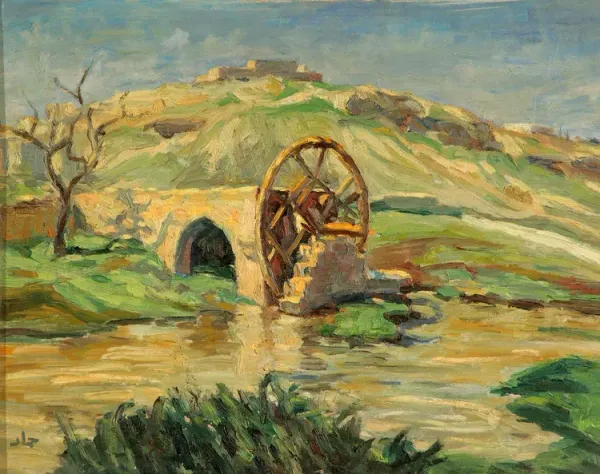
In our modern, hyper-credentialed century, we are taught to worship the monument. A PhD is a beautiful, towering structure; much like the 21-meter timber Norias I love so much. But if we are not careful, we begin to confuse the monument with the flow. We start to believe that our meaning is locked inside the title, inside the pages left on the university shelf, or inside the immediate approval of the global institutions we seek to enter. This past year, through the slow, stubborn arrival of automated rejections, quiet seasons of waiting, and the deep existential ache of Ghurba, I have had to unlearn the tyranny of the certificate.
I have realized that a PhD is not an ending; it is merely the building of a door. It proves that you know how to sit with complexity without breaking. It proves that you have the stamina to look into the dark face of an unanswered problem and stay there until the light changes. But the true graduation doesn’t happen in the examination hall. It happens in the twelve months that follow, when the applause has faded and you are forced to sit in a quiet room, practicing Taslim, and figuring out who you are when you are no longer competing with the clock.
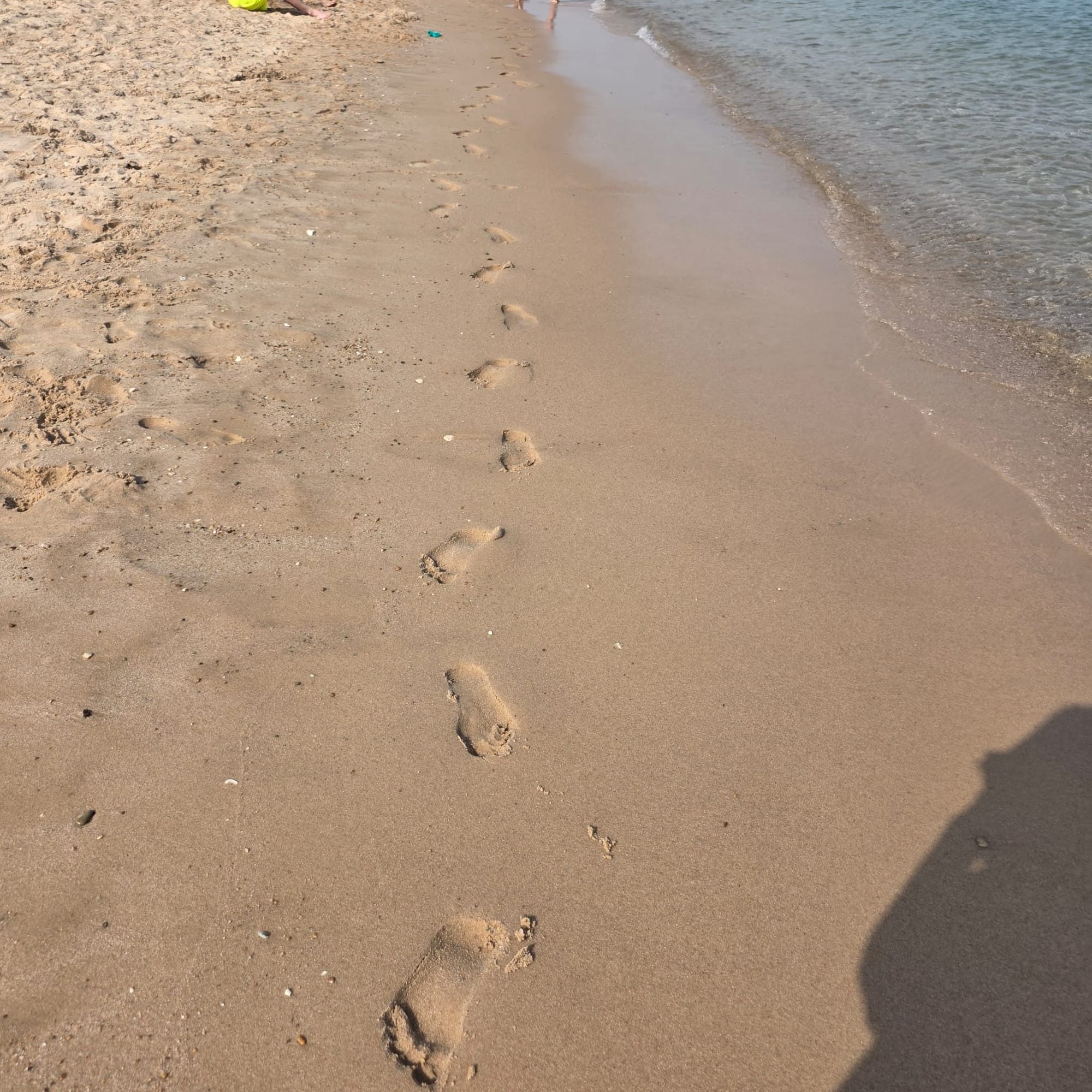
A year post-PhD feels very much like standing on the edge of a vast, unmapped shoreline. You look behind you and see the long, steady line of your footsteps pressed into the sand; the years of sacrifice, the displaced winters, the fragments of home carried from Syria across borders. The sea stays close, breathing in and out, and sometimes it washes over those impressions, erasing the evidence of how hard you ran to get here.
At first, this erasure feels like a tragedy. You think: Did those years not matter? Why is the road forward not a straight, predictable highway?
But the beach suggests something much more liberating. Those footsteps mattered not because they would last forever on the sand, but because they were made at all. The degree is not a guarantee of a smooth path; it is simply proof that you have the legs to walk through the sand, knowing the water will come, and keep moving anyway.
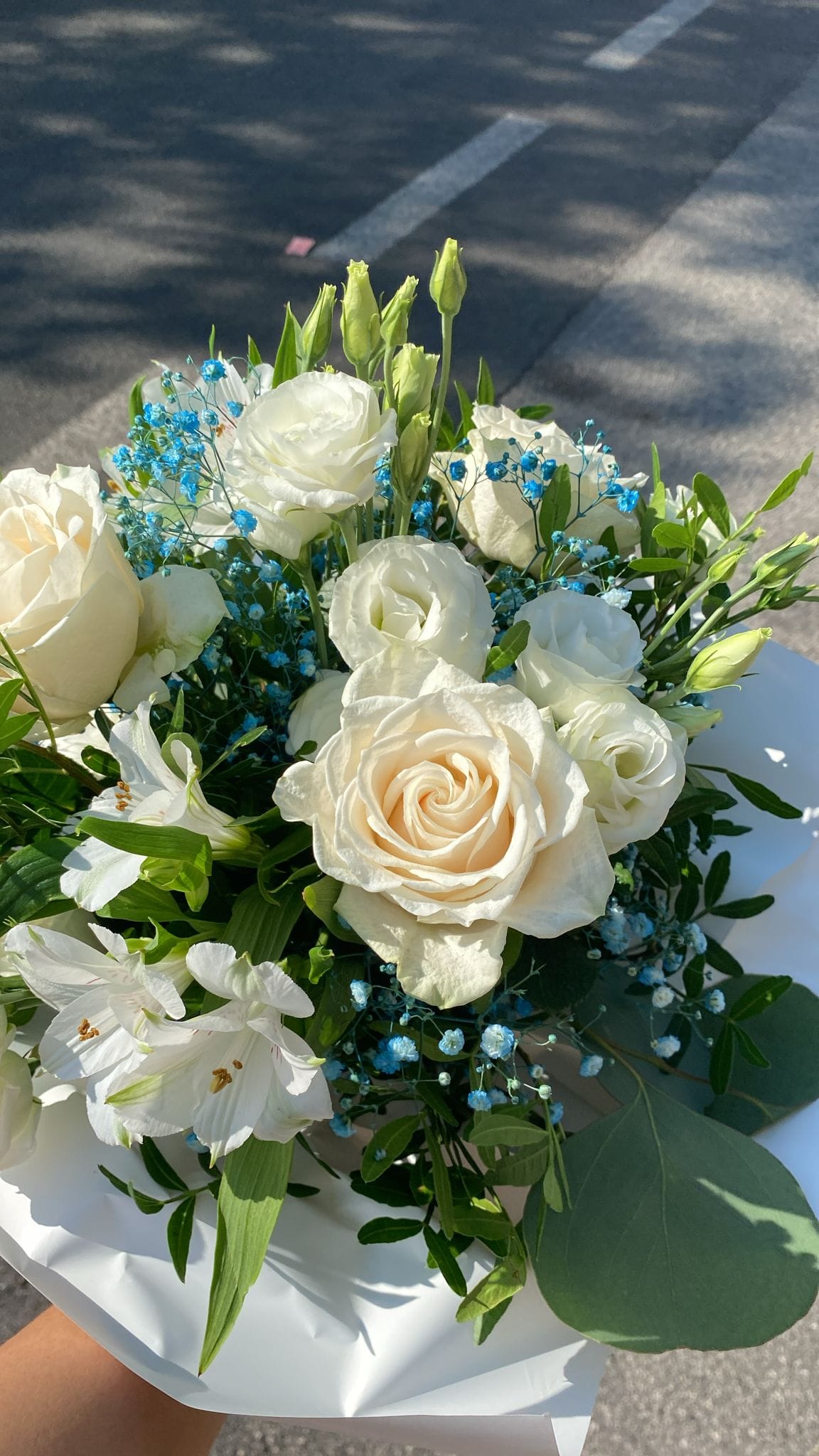
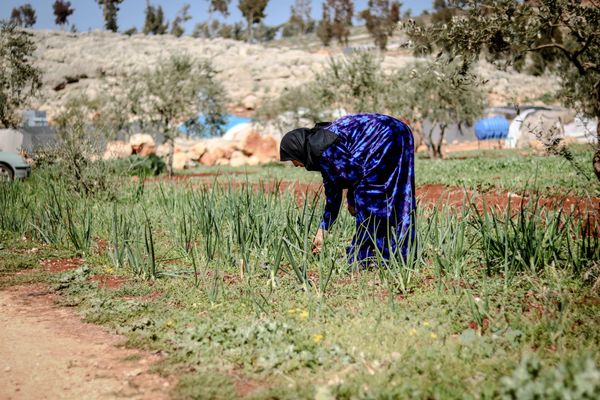
To anyone standing in this one-year clearing, feeling the peculiar hangover of a massive achievement that hasn't yet translated into the "blooming greenland" you envisioned: Be gentle with your river. All the flowers above are for you.
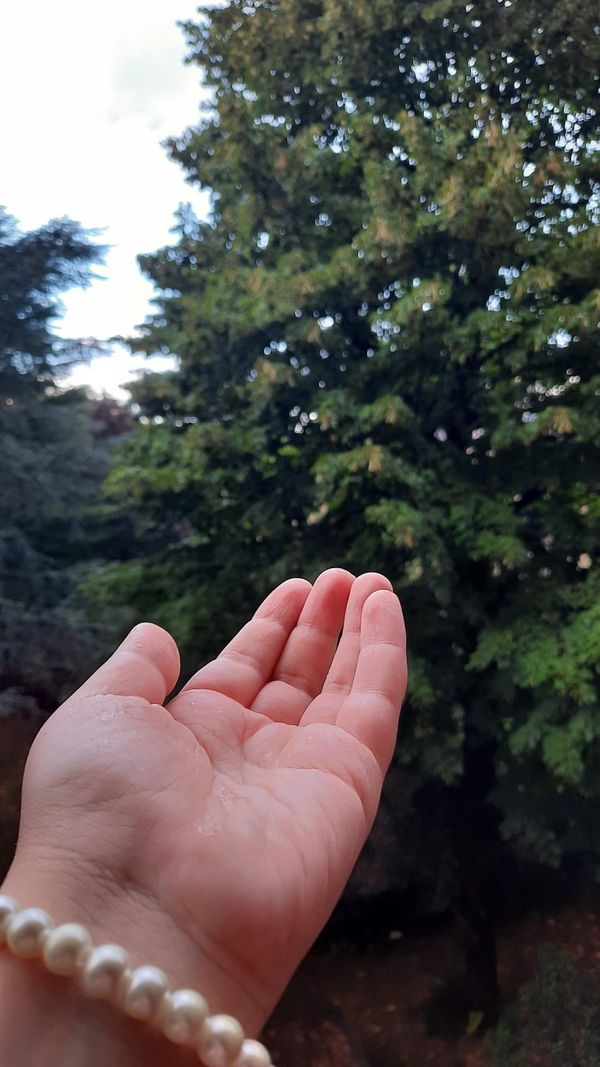
You have proven to the world that you can speak the language of the experts. Now, in the quiet of this first anniversary, open your palms, take off the heavy academic gown, and learn to listen to the language of your own heart again. The world will make room for your stride, not because of the letters before your name, but because of the depth of the water you carry within.