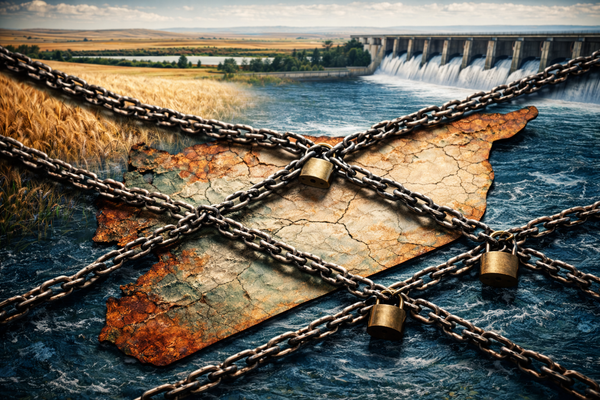
We are Condemned to Hope

We Are Condemned to Hope
— Saadallah Wannous
This is not a passing sentence, nor a romantic slogan meant to be hung on walls and forgotten.
“We are condemned to hope” feels like an existential verdict: there is no escape from hoping, even when we are depleted, even when defeats pile up on our chests like layers of heavy dust.
Wannous said it at a time when questions were larger than answers, and betrayal heavier than language itself. For him, hope was not a promise of salvation, but a form of resistance. To hope does not mean you are naïve; it means you have decided not to hand over the keys of your soul to ruin.
Hope here is not always a warm feeling. Sometimes it is harsh, tiring, exhausting. It is like waking up every day knowing the road has not yet opened, and still getting up and walking. As if you are saying to the world:
I will not end the story on this page.
The beautiful paradox of the phrase is that it gives you no choice. You are condemned to hope. You may lose your enthusiasm, you may doubt, you may break… yet deep down you return to that same fragile thread: the idea that tomorrow might be less cruel, that meaning has not yet closed its doors.
Perhaps that is why the sentence still lives among us today. Because it resembles us.
Those of us who live between fear and desire, between collapse and insistence, between brutal realism and a dream that refuses to die.
We do not always choose hope.
But we are condemned by it… and saved by it at the same time.